The power of landing pages in your recruitment strategy

What is a landing page and why is it important?
A landing page is a dedicated web page designed to encourage visitors to take a specific action—such as applying for a job, signing up for a newsletter, or joining a recruitment campaign. When someone clicks on your job listing, they are directed to a landing page that provides detailed information about the role and the benefits of working at your organization.
For recruitment purposes, a landing page offers several advantages over a standard job posting:
- Targeted messaging: A landing page focuses on a specific role or a limited number of positions, allowing you to tailor information directly to potential candidates.
- Higher conversion rates: Clear call-to-action and compelling visuals increase the chances that visitors will complete an application.
- Personalized experience: Landing pages can be customized to resonate with a particular type of candidate, making them more likely to apply.
In the following sections, we’ll dive deeper into why landing pages are crucial for recruitment and what key elements you need to include to make them as effective as possible.
The 6 key elements of a high-performing landing page
When creating a landing page for your careers site, there are a few fundamental elements you simply can’t overlook. These components ensure your page is both user-friendly and optimized for conversions.
1. Clear and compelling headline
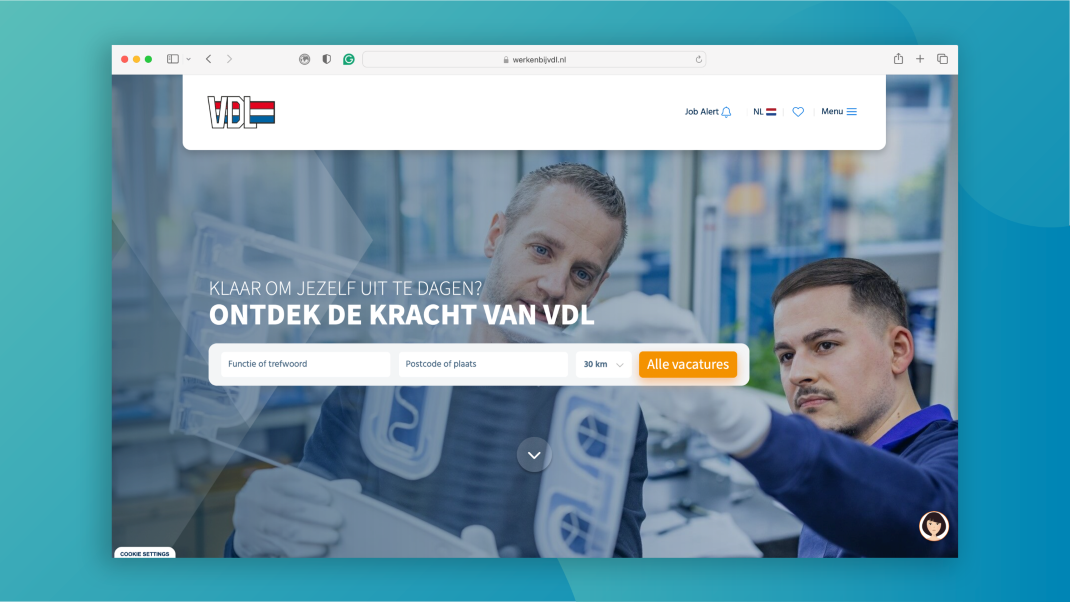
Your headline is the first thing visitors see, and it plays a crucial role in their decision to keep reading. A strong headline should be both informative and engaging. It needs to immediately convey what the page is about while sparking curiosity.
Examples of effective headlines for a careers page:
- “Join our team: Senior marketer wanted”
- “Looking for a software engineer role? Apply today!”
The headline should be concise yet impactful—providing clarity while enticing the reader to explore further. Get creative!
2. Detailed job description
A clear, well-structured job description is essential for a high-converting landing page. Candidates want to know exactly what the role entails, what’s expected of them, and what they can look forward to in terms of responsibilities, team dynamics, and career growth.
Make sure to include key details such as:
- Daily responsibilities
- Required skills and experience
- Desired personal attributes (e.g., teamwork, problem-solving skills)
- Growth opportunities and training programs
Don’t forget to highlight what makes your company and this role stand out. Whether it’s flexible working hours, a dynamic work environment, or a culture that fosters creativity and innovation—these details can make all the difference in attracting top talent.
3. Engaging visual elements
Visual elements can greatly enhance the appeal of your landing page. People are naturally drawn to visuals, and a well-designed page can keep visitors engaged longer while encouraging them to complete their application.
Incorporate high-quality visuals such as:
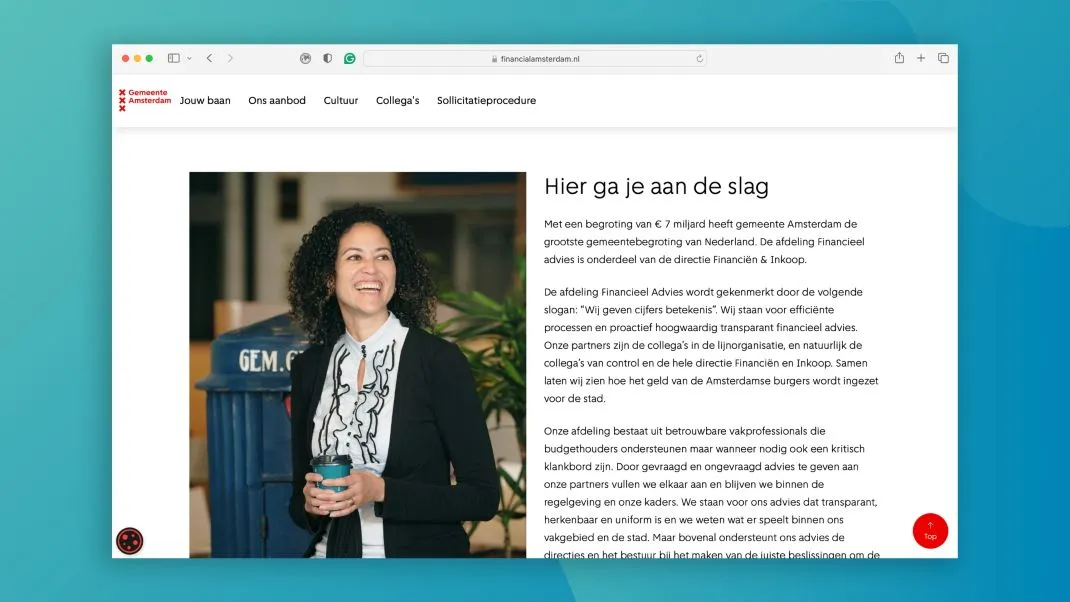
- Photos of your team or office
- Videos of employees sharing their experiences
- Images that showcase corporate culture (e.g., team outings, meetings, or events)
For example, a short video featuring employees talking about their work experience and what they love about the company can add authenticity and help candidates feel a sense of connection before they even apply.
4. A clear Call-to-Action (CTA)
Your call-to-action (CTA) is one of the most critical elements of your landing page. This is the button that encourages visitors to take the next step—whether it’s “Apply now,” “Sign up for more info,” or “Download the job description.”
To make your CTA as effective as possible:
- Ensure it stands out visually by using a contrasting color.
- Place it strategically at the top of the page and again after the job description.
- Use action-driven language—for example, “Apply now” is much more compelling than “Learn more.”
5. Social proof: Testimonials and reviews
Social proof builds trust and credibility. Adding testimonials from employees who recommend the company or specific role can make a significant impact.
For example:
"I've been working here for three years, and the growth opportunities are incredible!"
You can also include:
- Reviews from platforms like Glassdoor or Indeed
- Employee success stories highlighting career growth within the company
Candidates want to see real experiences from people they can relate to—this helps them feel more confident in taking the next step.
6. Simple and accessible application forms
A lengthy application process can discourage candidates from applying. Keep your application form short and straightforward, asking only for essential details such as:
- Name
- Email address
- Resume upload
- (Optional) cover letter
For an even smoother experience, consider offering quick-apply options via LinkedIn or Google, allowing candidates to apply with just a few clicks instead of filling out extensive forms.
3 tips to strengthen your recruitment strategy with landing pages
Landing pages do more than just improve conversion rates—they play a key role in strengthening your overall recruitment strategy. By incorporating the right elements, you can streamline your hiring process and attract more qualified candidates.
1. SEO optimization for better visibility
To ensure your landing pages reach the right candidates, they need to be optimized for search engines. This includes using relevant keywords, compelling meta descriptions, and properly labeled images with alt text. Keywords like job title and job type help your page rank higher in search results.
Strong SEO strategies allow you to generate organic traffic, meaning more potential candidates will find your job postings without relying on paid ads.
2. Track and improve performance
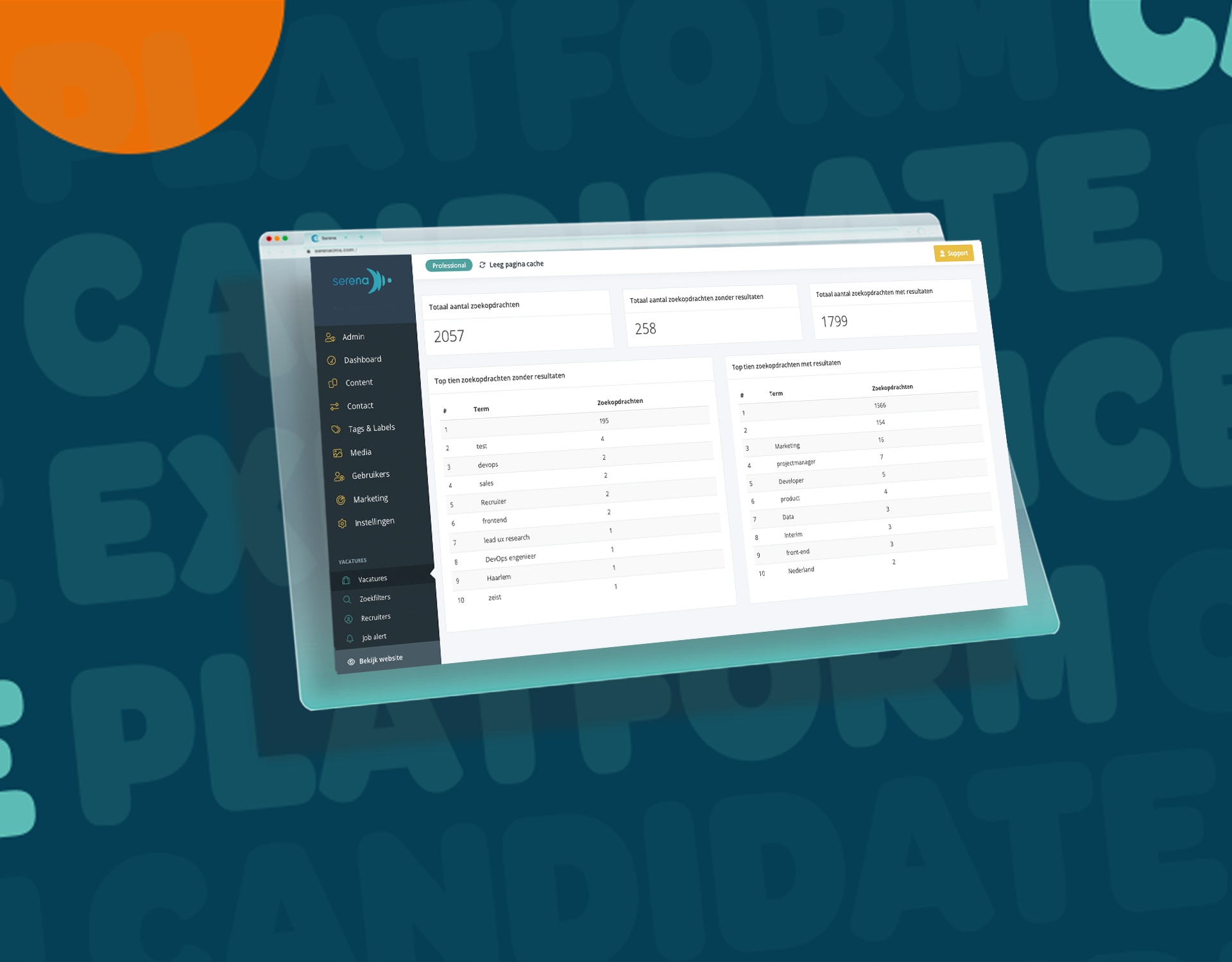
One of the biggest advantages of landing pages is the ability to track performance. Tools like Google Analytics can provide insights into key metrics, such as:
- How many visitors your page receives
- Where your traffic is coming from
- Conversion rates (how many visitors apply)
By analyzing this data, you can pinpoint potential issues—such as slow page load times or an underperforming call-to-action—and continuously optimize your landing pages for better results.
3. Targeted messaging for specific audiences
Landing pages allow you to tailor your message to specific candidate groups. For example, if you’re hiring for a marketing role, you can design the page to appeal specifically to marketers.
By segmenting landing pages based on job title, location, or experience level, you ensure that the right message reaches the right audience—making your recruitment efforts more effective.
The importance of testing and optimization
A landing page isn’t something you create once and forget about—it requires continuous testing and improvement to achieve the best results. A/B testing is a great way to see which version of your page drives the highest conversion rates.
For example, you can test different headlines, images, CTA buttons, or text lengths to see what resonates most with candidates. By regularly making adjustments and analyzing the results, you can maximize the effectiveness of your landing pages.
In summary:
Landing pages are a key component of a successful careers site. They not only help you attract the right candidates but also increase application rates, strengthen your employer brand, and optimize your recruitment strategy.
By incorporating the right elements—a compelling headline, engaging visuals, and a strong call-to-action—you can significantly boost your landing page’s effectiveness and attract top talent.
And remember: Testing and refining your landing pages ensures your recruitment efforts always perform at their best, helping your company find the talent it needs to grow and thrive.