Let employees tell what they wish they had known earlier
Anyone who wants to know what a job is really like asks someone who does it. That goes for candidates, and so for you when you write a vacancy page. In employees as ambassadors you can read why employees are so valuable for your employer brand. This article goes a step further: how do you collect their stories so they give an honest picture of the role?
Start with the right employees
Choose people who do the role now and have not been in it too short or too long. Someone who has been around for a year still remembers what surprised them. Someone who stays fifteen years sometimes no longer sees it. Ask people who like to tell their story and keep it voluntary. A forced story shows right away.
Three questions that work
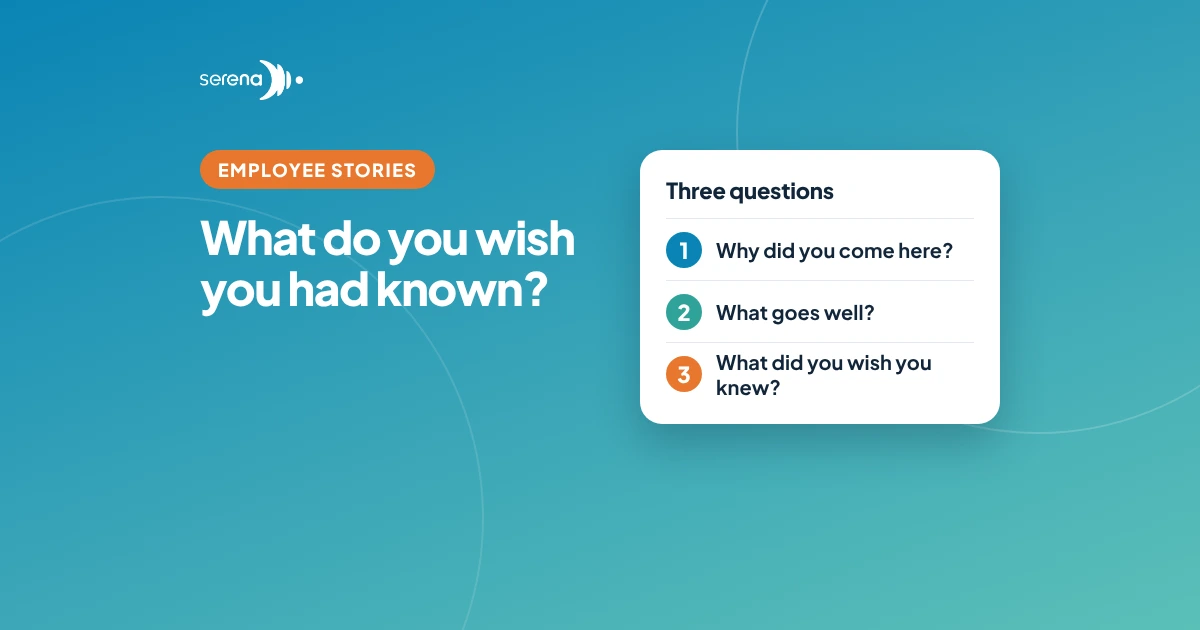
Ask every employee the same questions:
- Why did you come here?
- What goes well?
- What do you wish you had known earlier?
The last question gives the most. The answer is often what a candidate would otherwise discover in the first weeks. That is how you turn an employee story into a realistic job preview.
Short and real
A phone video of 30 to 45 seconds is enough. Film at the workplace, without a script, with subtitles. If you want text, let the employee answer in their own words and only fix spelling. Be careful with polishing. A letdown neatly turned into a compliment reads like advertising.
Ask for consent and let them review
Show the employee what you will publish before it goes online. Explain where it appears: on the vacancy page, on the careers site and on social media. Allow for an employee who later no longer wants to be in the picture. Write down in your agreements who can take the material down again.
What if it sounds critical
A story with a critical note can be daunting. Decide upfront what you publish and what you do not, and discuss it with the employee and their manager. If the criticism is fair and comes up more often, it is a signal for your employer promise. How to keep promise and practice in line is covered in EVP, TVP and JVP. An example of a brand that makes honesty visible is in ING as inspiration.
Where to put it on your site
Put the story with the vacancy, not only on a separate page. A candidate reading a vacancy wants the answer there. Combine a video at the top with the three answers as a short block below it. In the Serena CMS you place such blocks on the page yourself, and you use them on several vacancies. You can read more about the Serena platform on the website. Do this yourself or with agencies that can set this up for you, which you can find in the partner overview. Practical examples are in the case studies.
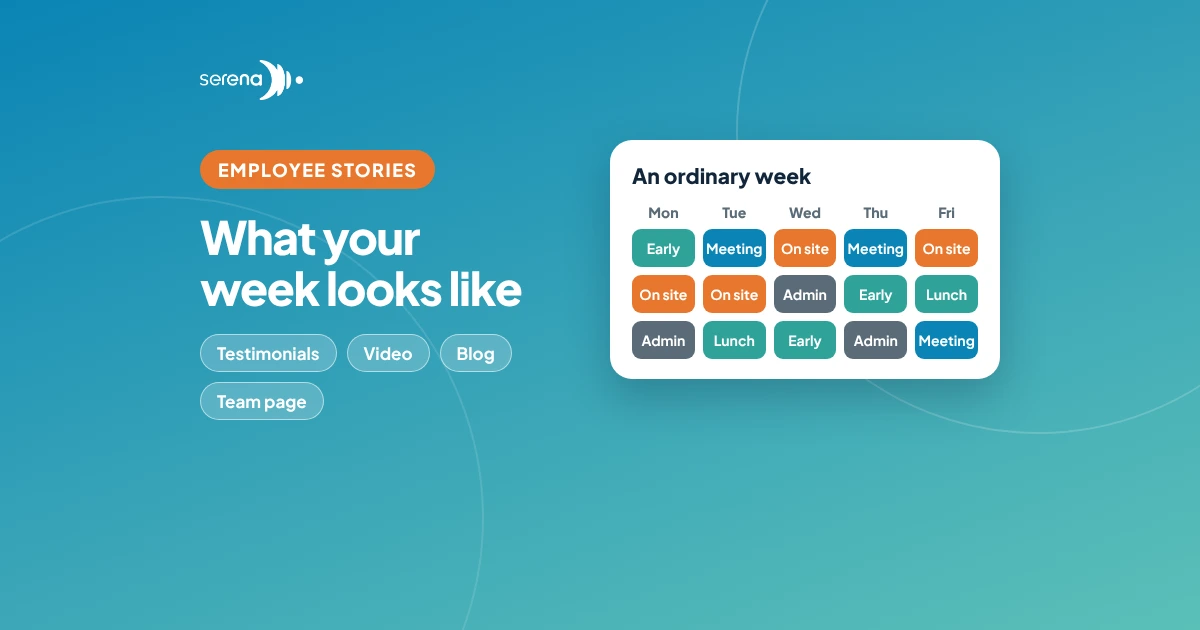
There is more you can use. With the testimonials section you put short employee quotes on a page. You write blogs about them, add videos and create dedicated employee pages where a team introduces itself. With the calendar you make clear what your week looks like, for example which shifts, meetings and fixed moments come with the role. A candidate then sees upfront how an ordinary week goes.
Measure and reuse
Connect Google Analytics and see whether vacancies with an employee story get more views and lead to more applications. Which KPIs you can follow on top of that is covered in KPIs beyond time to fill. Reuse every story in a LinkedIn post, a story or a newsletter, and always point to the vacancy.
Frequently asked questions
How many stories do I need?
Start with one per role that has a lot of drop-out. Expand when you see it works.
Does the video have to be professionally made?
No. Good light and clear sound are enough. Real beats pretty.
What if nobody wants to take part?
Ask why first. Sometimes that in itself is an important signal for your employer promise.